1. TOP
  2. FACTORY
FACTORY
FACTORY
FACTORY
FACTORY (Kaneko's own factory)

FACTORY

In-house factories dedicated to ideal eyewear, carrying Sabae craft from plastic and metal frames to robot-assisted innovation.

SCROLL
FACTORY

Pursuing ideal eyewear with our own hands

In the major eyeglass production center of Sabae in Fukui Prefecture, most factories are narrowly focused. Work is performed by specialists in many disciplines to create high quality products worthy of Japanese pride.

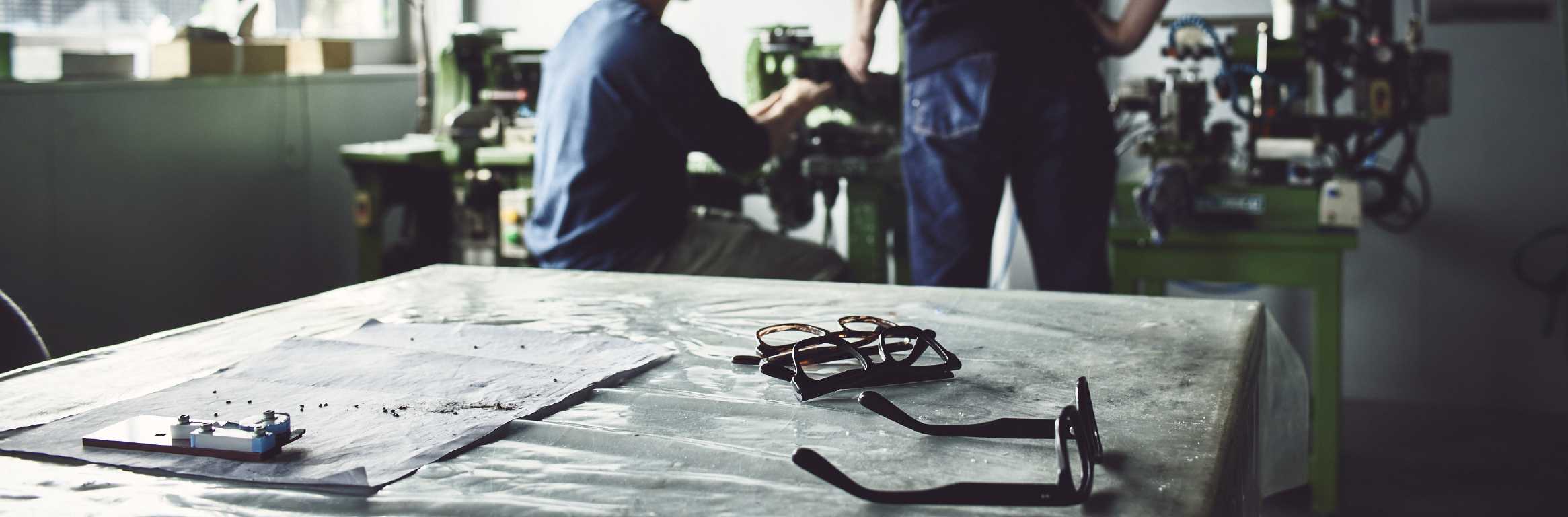
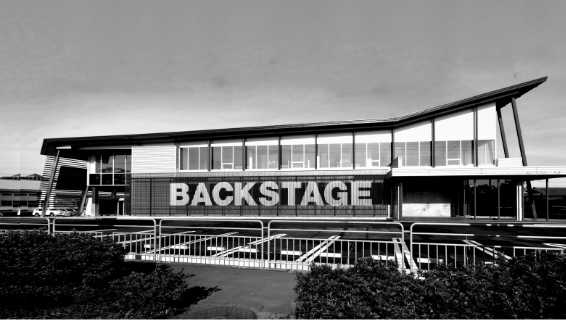
Here, in July 2009, Kaneko Optical established BACKSTAGE, an integrated plastic frame production center dedicated to pursuing the ideal eyewear.

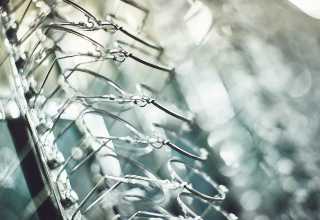
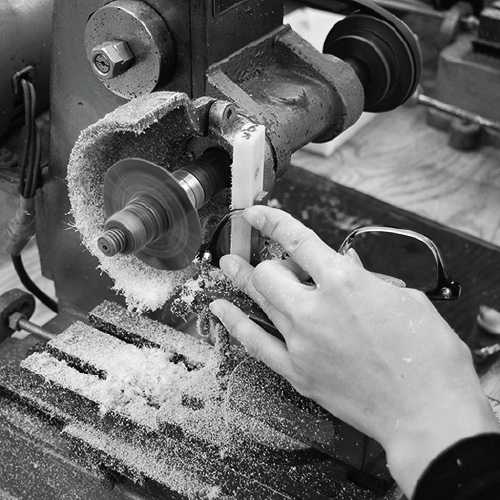
Here all processes, from product planning to design, material cutting, machining, polishing, assembly, and fine adjustment, are performed under one roof. When designers and craftsmen share the same environment, organic feedback develops around subtle details, intentions, and problem solving.

Craftsmen working at BACKSTAGE do not just fabricate individual parts; they are more like a guild of specialists in all the stages of production, with a shared passion for shaping eyewear.

BACKSTAGE

BACKSTAGE

In the major eyeglass production center of Sabae in Fukui Prefecture, most of the factories are narrowly focused, and work is performed by specialists in the various fields, making high quality products of which Japan can be proud.

Against that background, in July 2009 Kaneko Optical established its own factory, BACKSTAGE, for the integrated production of plastic frames to pursue its own vision of ideal eyewear.

At the factory, all processes from product planning to design, material cutting, machining, polishing, assembly, and adjustment are performed under one roof.

When designers and makers share the same environment, a synergistic and organic feedback develops about subtle details about changes, intentions, and problems, which cannot be achieved in specialized factories.

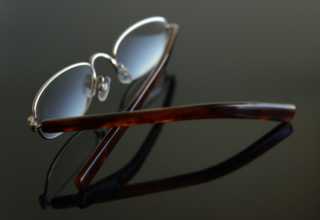
In addition to plastic frames, BACKSTAGE also produces tortoiseshell frames with techniques passed down from local craftsmen. All this is done to pass on a deeper pursuit of beautiful handmade techniques to the future.

We integrate all production of processes, from shape cutting to polishing and assembly of plastic frames, using uncompromising manual techniques. Our factory was designed with the collaboration of a local architect, and uproots the conventional image of an eyeglass factory, establishing a new architectural landmark in Sabae.
GLASSWORKS

GLASSWORKS

While undertaking integrated production of plastic frames at BACKSTAGE, we also sought to bring the manufacture of metal frames in-house. However, in light of challenges such as the large number of manufacturing steps and high investment in equipment for metal frames, we decided to join with Eiko Optical, a company with superb technology for the production of metal frames.

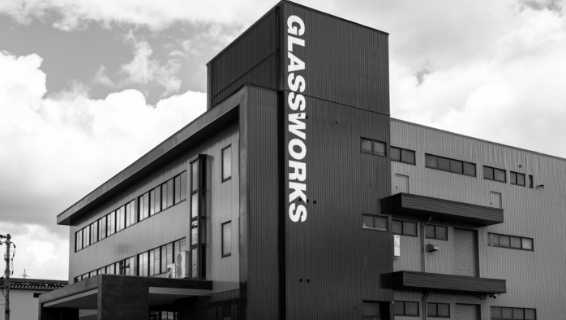
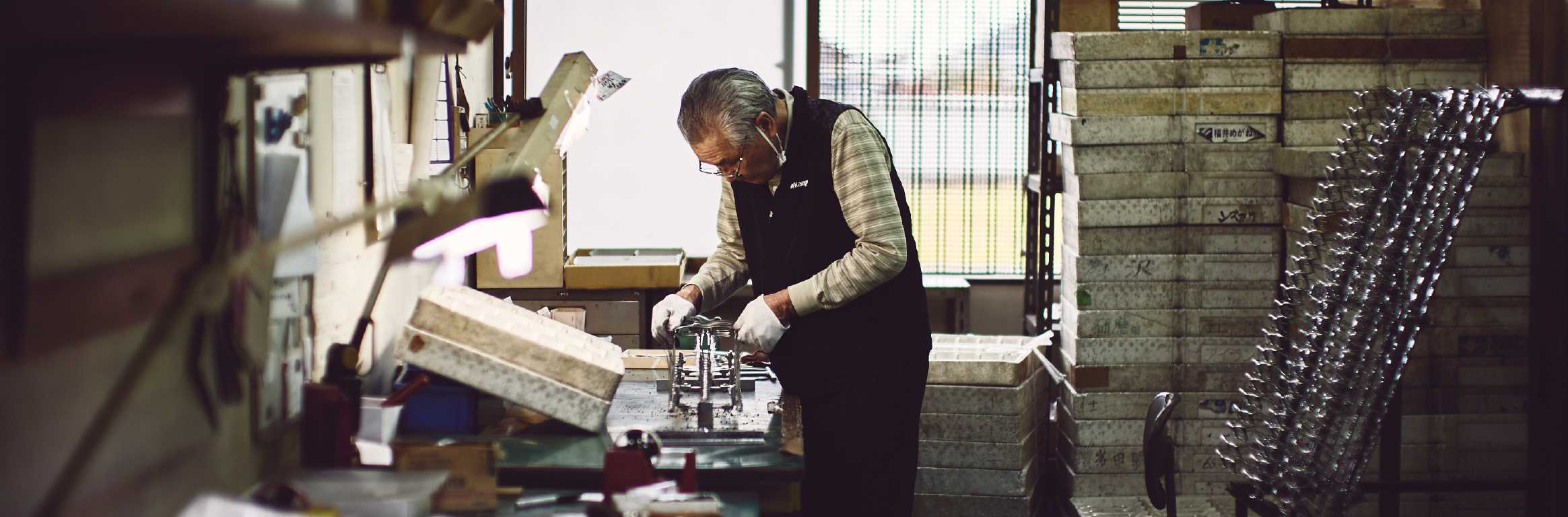
In August 2016 we established GLASSWORKS, our second in-house factory, to focus on metal frames. Metal frames require about four times the number of steps of plastic frames and demand a particularly high level of technology.

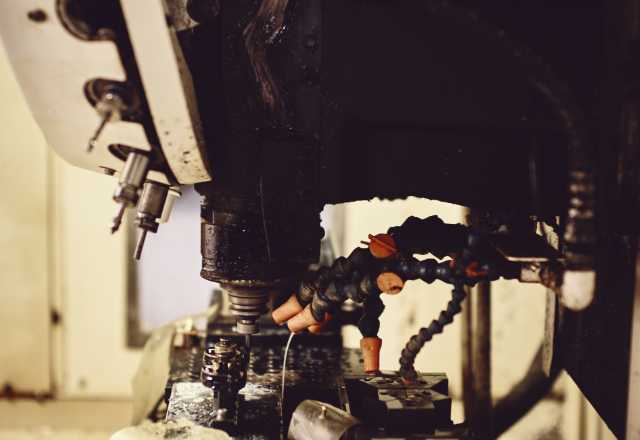
The know-how of deeply experienced craftsmen and aggressive investments in new equipment have led us to expand and evolve our technology. We have invested in equipment such as machining centers to enable more complex cutting, and inverter welding, enabling in-house manufacture of technically demanding titanium frames and precise combi-frames.

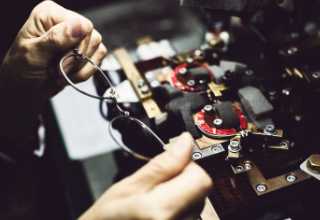
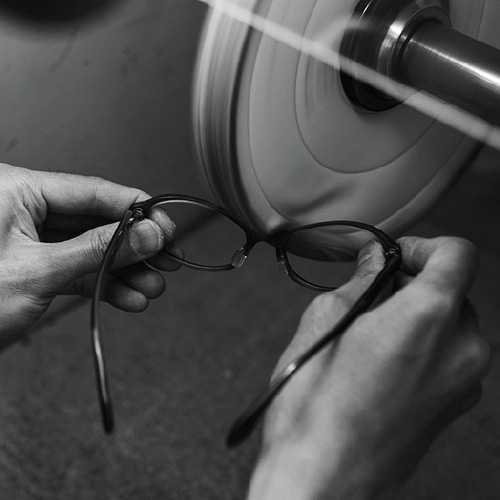
The luster of a metal frame, achieved through long hours of repeated polishing, is its greatest appeal. With teamwork among our master craftsmen, we produce high quality, high precision frames.

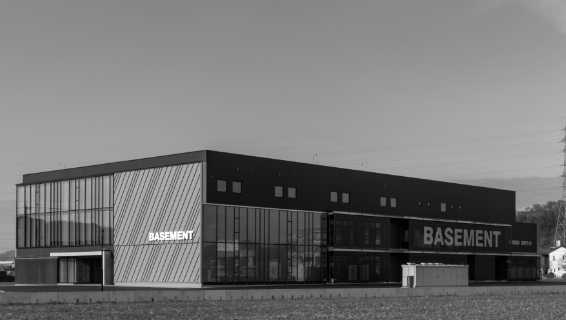
BASEMENT

BASEMENT

Kaneko Optical has undergone many twists and turns as we developed our uncompromising approach to production, including the creation of a fully integrated production system and the development of in-house metal frame manufacturing. We then embarked on a new challenge: the introduction of advanced robots.

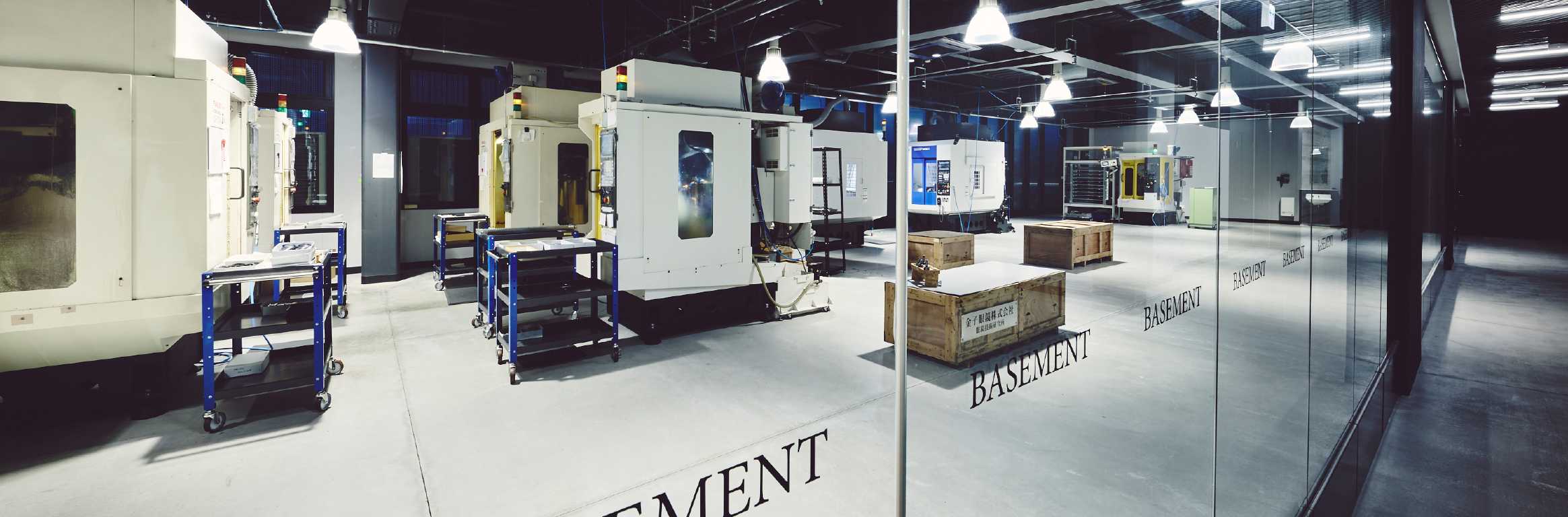
By assigning frame cutting and some parts of polishing to robots, we can fuse machine-made and hand-made techniques so skilled craftsmen can focus on delicate and important steps which exceed any machine's ability.

With such innovations in mind, we opened our third factory, BASEMENT, in March 2019. State of the art robots have been installed in the factory, where they cut and polish frames.

We respect all of Sabae's craftsmen and the traditions which have supported our eyeglass industry, and we commit to passing this culture to the next generation. Future possibilities abound in this generous space.

COMMITMENT

Our Commitment to an Integrated System of Production and Sales

At BACKSTAGE, eyeglass craftsmen execute integrated production, from cutting to buffing of plastic frames made from acetate or celluloid, which we sell to our customers with a deep sense of responsibility. In an industry in which companies normally differentiate themselves by specialty, KANEKO OPTICAL is focused on its integrated production and sales system. While our production efficiency is by no means efficient, application of the ideas and solutions which emerge from the manufacturing process leads to quality improvements. We are proud of our advanced facilities, including 3D modeling with 3D CAD systems, previously considered impossible in the eyeglass industry. Although we use some of the world's most advanced equipment, that does not mean the machines have taken over every step of fabrication. The craftsman's sense and technique is important not only in achieving design precision, but also in fine details such as the parts that contact the skin, the optimal rounding of the nosepad, and the deep luster of the frame. Integrated production means we can give proper weight to quality, with less concern for numbers compared to more specialized manufacturers who must prioritize efficiency.

PROCESS

16 STEPS

  1. 01. Material

    01. Material

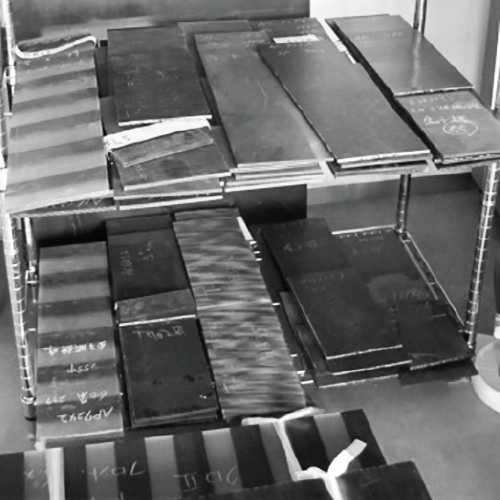
    Acetate and celluloid material. Larger sheets can be as large as a tatami mat.

  2. 02. Cutting/reference point drilling

    02. Cutting/reference point drilling

    A large panel of raw material is cut and a hole is drilled to serve as reference point for further cutting.

  3. 03. A curve is imparted on the face side.

    03. A curve is imparted on the face side.

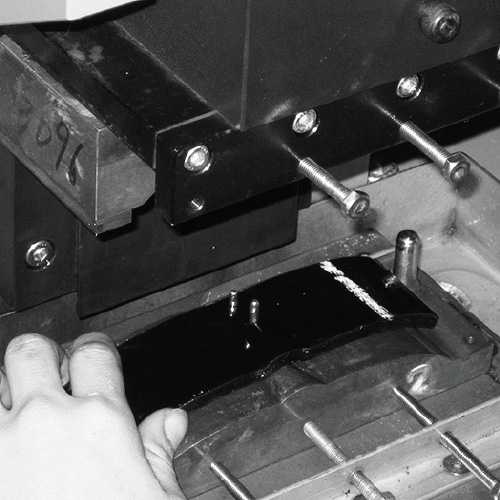
    The frame is warmed, fitted into a mold, and pressed to impart curvature.

  4. 04. Molds

    04. Molds

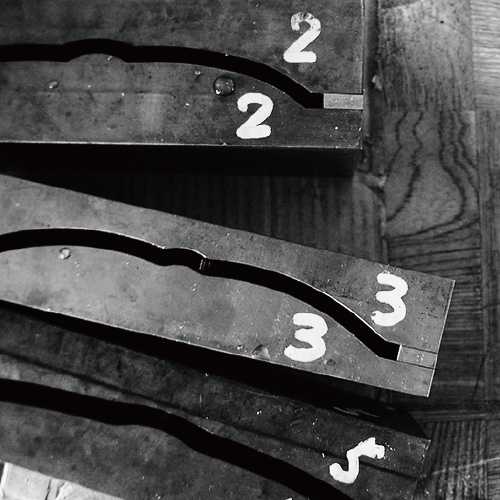
    There are many types of molds used depending on the front curve design.

  5. 05. Internal and external shaping and lens grooving

    05. Internal and external shaping and lens grooving

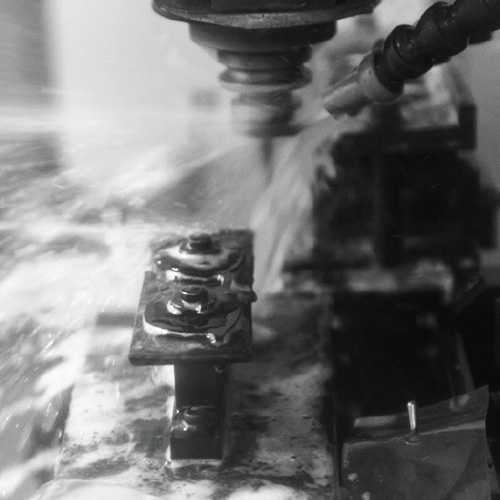
    After cutting away the interior where the lens enters and making the lens groove, an outer form is shaped.

  6. 06. Pad mounting

    06. Pad mounting

    Nose-contacting nose pads are adhered with an adhesive.

  7. 07. Temple cutting/embedding

    07. Temple cutting/embedding

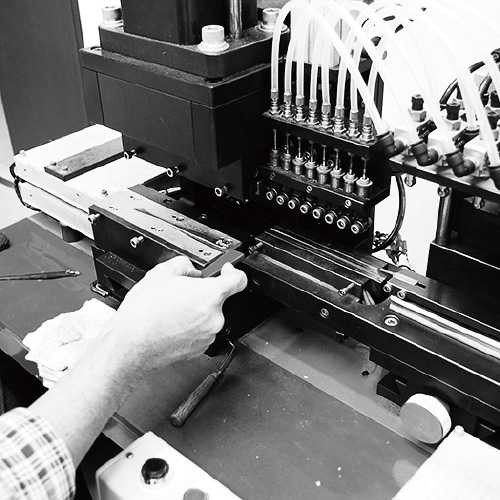
    The temple is softened with heat and a metal core, heated to a high temperature, is inserted.

  8. 08. Barrel polishing (course tumble)

    08. Barrel polishing (course tumble)

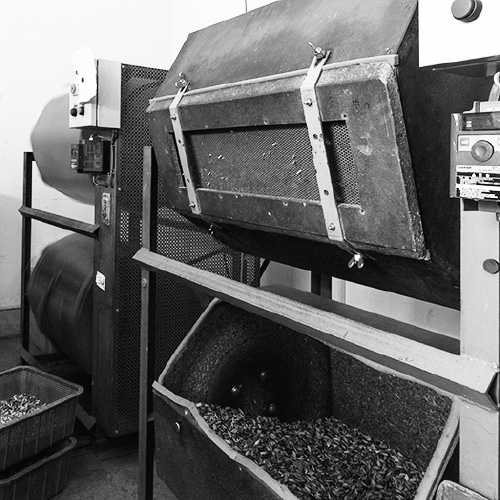
    Nylon chips are placed in a barrel polisher known as a tumbler and polished.

  9. 09. Buffing (with polishing compound)

    09. Buffing (with polishing compound)

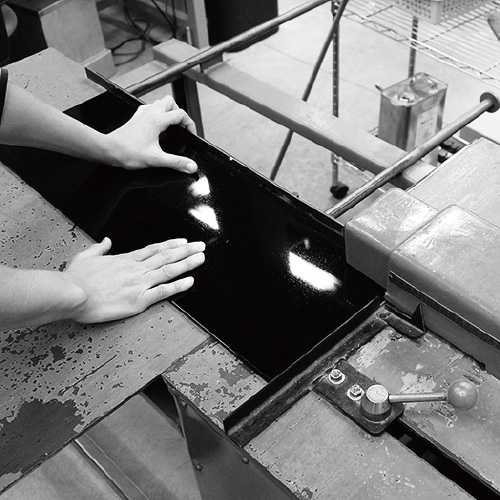
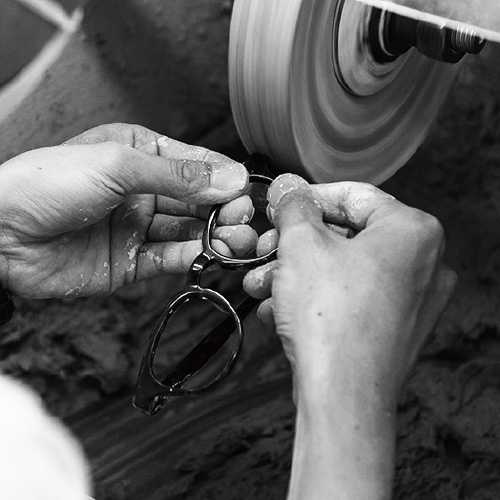
    Apply Boshu powder to felt or a buffing cloth and polish.

  10. 10. Buffing cloth types

    10. Buffing cloth types

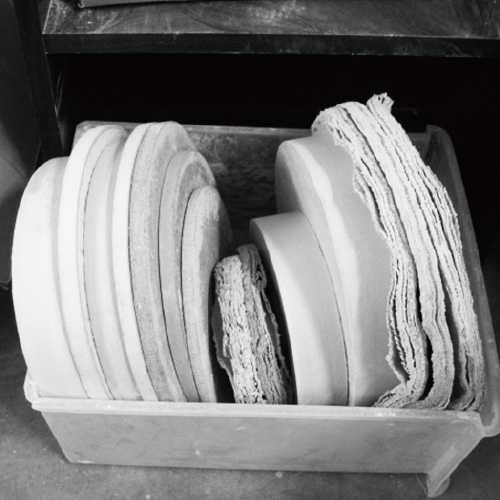
    Depending on what is being polished, several types of buffing cloths are used. Each one is applied by hand.

  11. 11. Barrel polishing (medium/final finish tumble)

    11. Barrel polishing (medium/final finish tumble)

    Barrel polishing is performed after adding wood chips, bamboo, and polishing compound.

  12. 12. Hinge attachment

    12. Hinge attachment

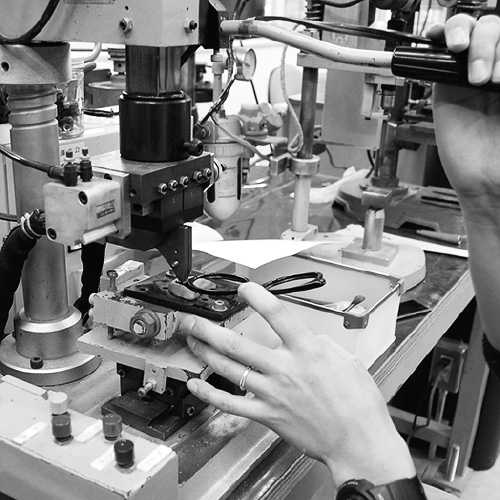
    Holes are drilled where the front and temples join and hinges are thermally embedded.

  13. 13. Abutting end cut and assembly

    13. Abutting end cut and assembly

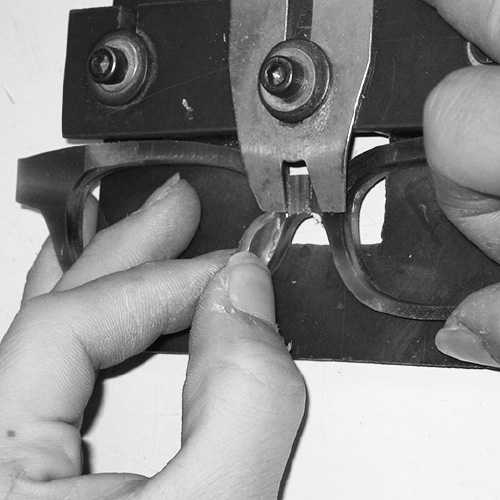
    After cutting front and temple abutting ends, facets are filed and matched.

  14. 14. Buffing (finishing)

    14. Buffing (finishing)

    Parts are finished and polished with a fine buffing cloth to produce a tortoiseshell luster.

  15. 15. Engraving / pre-fitting / inspection

    15. Engraving / pre-fitting / inspection

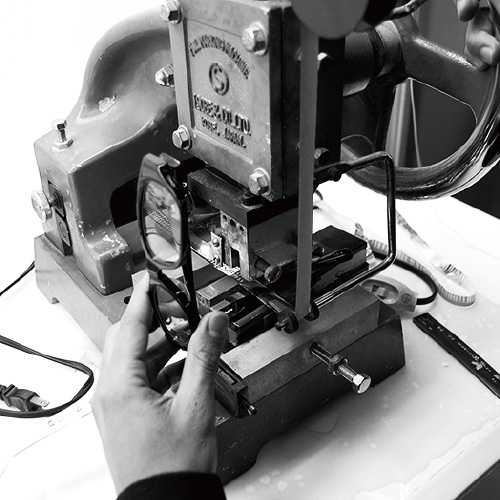
    The frame is engraved using an engraving machine. After another buffing, the frame is adjusted and inspected.

  16. 16. Sales

    16. Sales

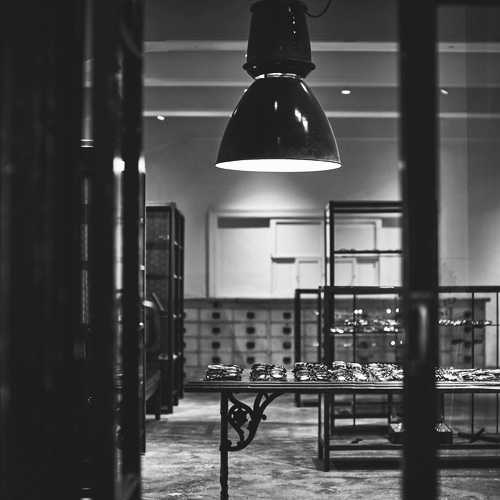
    Professional sales staff steeped in eyewear knowledge can propose the best glasses for each customer.

Our belief
BELIEF

Our belief

Whether at our factory or serving customers at our stores, we at Kaneko Optical are dedicated to bringing you eyeglasses to defy your imagination. Eyeglasses are intimately close to the wearer every minute of the day, and should be made accordingly, with the craftsman's passion for fastening the smallest screw and the store staff's focus on providing the best possible purchasing experience. Transcending the traditional divide between maker and seller, each employee embodies the spirit and preparation of a craftsman. That is the essence of the integrated manufacturing and sales system we are so proud of. We believe it is our mission to add innovation to the traditions inherited from Sabae, so we can pass those traditions on to the next generation. Investing one's heart in the work of one's hands is the solid foundation of monozukuri, the artisanal manufacturing tradition. To this we continually add layers of new knowledge and technology. In combining the immutable with the transitory, we seek to connect the past, the present and the future without limit.


LANGUAGE
CHINESE ENGLISH